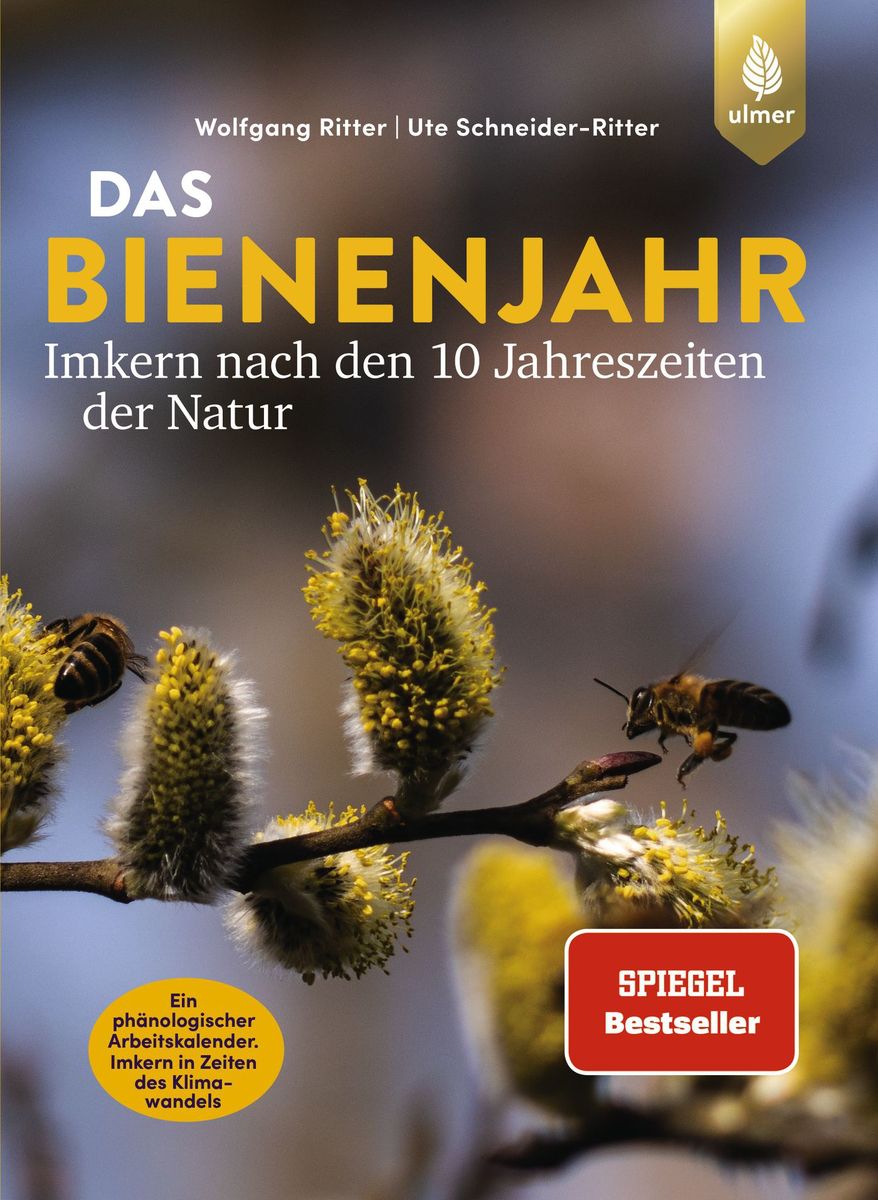
Das Bienenjahr:
Imkern in den 10 Jahreszeiten der Natur
Ein phänologischer Arbeitskalender
Imkern in Zeiten des Klimawandels
Spiegel Bestseller" bei Sachbüchern Garten&Natur über lange Zeit!
Für alle, die mit ihren Bienen möglichst nahe an der Natur arbeiten wollen und dem Bien in seiner von der Natur abhängigen Entwicklung gerecht werden wollen. Dies alles erläutern wir in unserem neuen im Oktober 2020 erschienenen Buch „das Bienenjahr“. phänologischen Kalenders, der insgesamt 10 Jahreszeiten umfasst und sich nach bestimmten Entwicklungs-stadien in der Natur richtet, etwa dem Blühen bestimmter Pflanzen. Das Buch ist somit in jeder Region anwendbar – auch in Zeiten des Klimawandels! Durch seine Betriebsweisen- und Beutentypen-neutrale Aufarbeitung ist das Nachschlagewerk für jeden Imker geeignet. Sowohl Einsteiger als auch Fortgeschrittene erhalten hier ein sehr gutes Arbeitsmittel, das durch seine klare Gliederung bei allen Imkerarbeiten rund ums Jahr hilft!
Buchhandel oder direkt bei Ulmer 24,95 €
https://www.ulmer.de/usd-6557041/das-bienenjahr-imkern-nach-den-10-jahreszeiten-der-natur-.html
Schnell checken und lösen. KURZ UND BÜNDIG
Neu! Seit Ende September 2023!
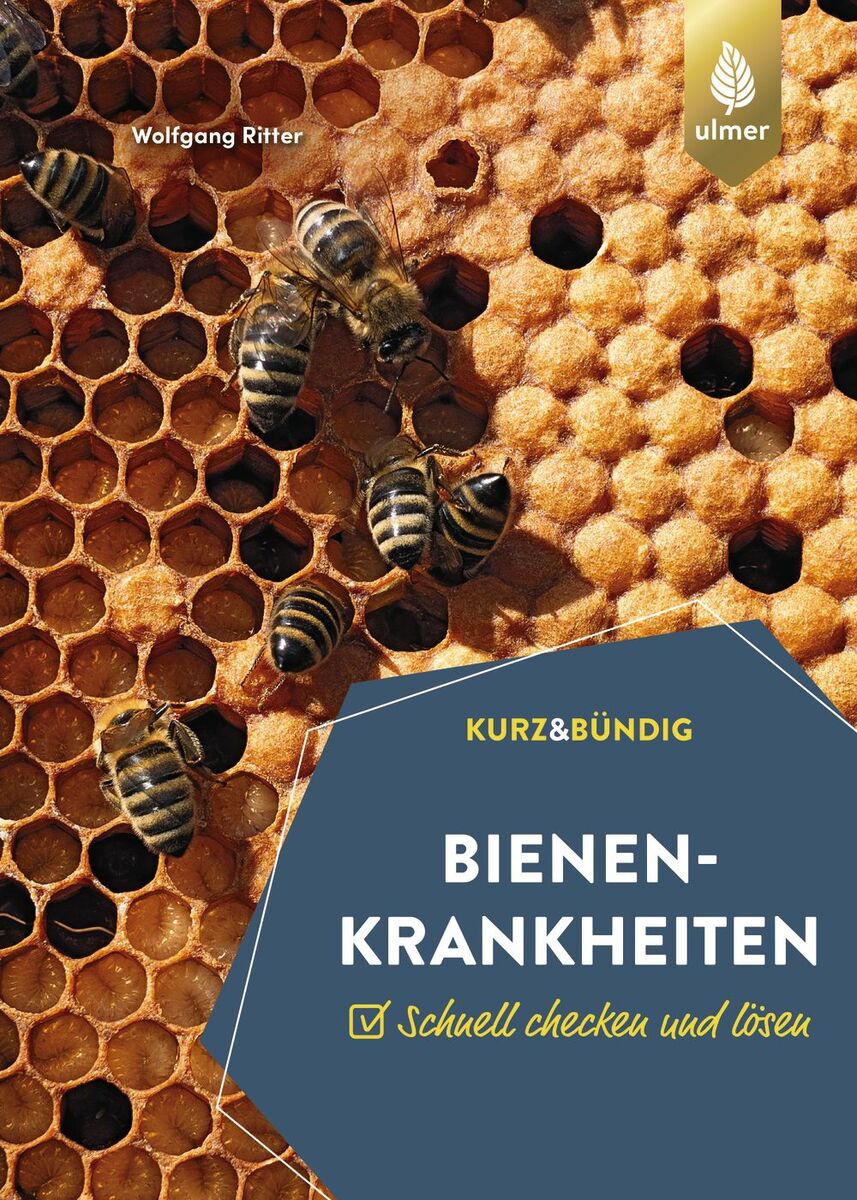 Bienenkrankheiten gehören wie Honig und Schwärmen zum Bien. Dieses einzigartige Buch hilft, Probleme mit der Bienengesundheit und ihre Ursachen schnell zu erkennen. Noch am Bienenstand können mit der einfachen und übersichtlichen Führung Lösungen gefunden und umgesetzt werden. Dank der Hinweise auf Haltung und Umgang mit den Bienen werden Rückfälle vermieden und möglichen Ausbrüchen vorgebeugt. Viele Fotos und Grafiken helfen, die Informationen schnell und übersichtlich zu erfassen. Die knappen und klaren Anweisungen ermöglichen es, alles direkt in der Praxis anzuwenden – unabhängig von Betriebsweise und Beutensystem. Ein Must-have für alle Imker!
Im Buchhandel oder direkt bei Ulmer: 20,00 €
https://www.ulmer.de/usd-7499331/bienenkrankheiten-.html
Varroa unter Kontrolle
Schnell checken und lösen. KURZ UND BÜNDIG
Neu! Seit Mai 2023!
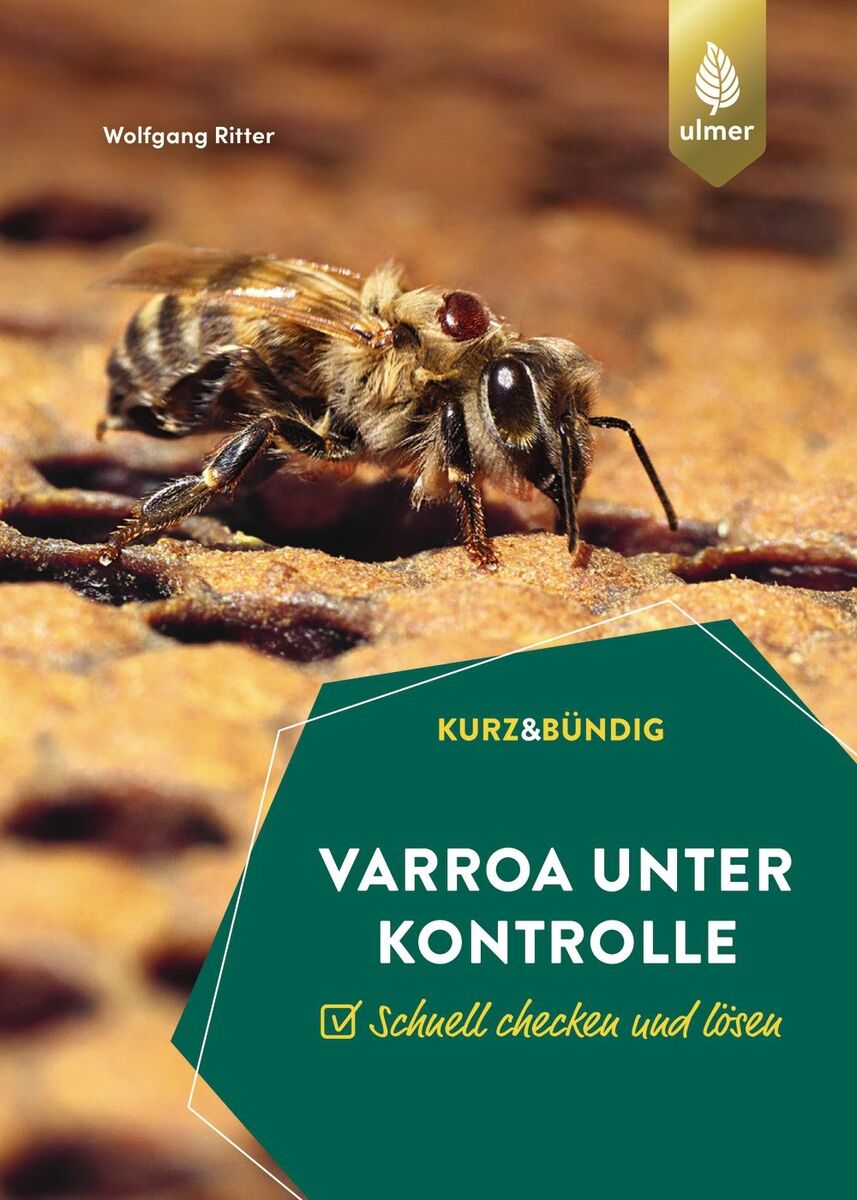 Varroamilben im Bien? Schnelle Hilfe ist nötig? Dieses einzigartige Buch ist ideal für die Mitnahme an den Bienenstand und hilft direkt vor Ort, zügig die richtigen Entscheidungen zu treffen. Das eingängige Leitsystem garantiert eine klare und schnell erfassbare Führung durch das Buch: Einfach, übersichtlich und verständlich sind die wichtigsten Methoden zur Erkennung der Höhe des Befalls und zur Entscheidung über das weitere Vorgehen dargestellt. Mit kurzen und knappen Arbeitsanweisungen werden Hinweise zu Vorbeugung und Bekämpfung gegeben. Viele Fotos und Grafiken illustrieren und erklären anschaulich – unabhängig von Betriebsweisen und Beutensystemen. Ein Must-have für alle Imkerinnen und Imker!
Im Buchhandel oder direkt bei Ulmer: 18,00 €
https://www.ulmer.de/usd-7270435/varroa-unter-kontrolle-.html
Bienen gesund erhalten
Vorbeuge, Erkennen und Bekämpfung von Bienenkrankheiten
Neu! Vollkommen neu überarbeitete 3. Auflage! Erstmals 250 Fotos und Grafiken!
 Sie möchten Ihre Bienen gesund erhalten? Die Gesundheit des Bienen-volks hängt ab von der Umwelt- und den Haltungsbedingungen, so wie der Abwehr von Krankheiten. In diesem Buch erfahren Sie, wie Sie Krankheiten vorbeugen, erkennen und behandeln. Die Biologie der Honigbiene wird soweit erklärt, wie es zum Verständnis der Krankheiten notwendig ist. Die Amerikanische Faulbrut und die Varroose nehmen den breitesten Raum ein. Für den bei uns noch nicht verbreiteten Kleinen Beutenkäfer wird das Erkennen und die Bekämpfung beschrieben. Als Besonderheit finden Sie auf den Innenseiten ein doppelseitiges Diagnoseschema, an dem Sie Schritt für Schritt die möglichen Krankheiten eingrenzen können.
Im Buchhandel oder direkt bei Ulmer 32,00
https://www.ulmer.de/usd-6143586/bienen-gesund-erhalten-.html
Das Bienenjahr Imkern in den 10 Jahreszeiten der Natur
Ein phänologischer Arbeitskalender.
Imkern in Zeiten des Klimawandels
Spiegel Bestseller" bei Sachbüchern Garten&Natur über lange Zeit!
Für alle die mit ihren Bienen möglichst nahe an der Natur arbeiten wollen und dem Bien in seiner von der Natur abhängigen Entwicklung gerecht werden wollen. Dies alles erläutern wir in unserem neuen im Oktober 2020 erschienenen Buch „das Bienenjahr“. phänologischen Kalenders, der insgesamt 10 Jahreszeiten umfasst und sich nach bestimmten Entwicklungs-stadien in der Natur richtet, etwa dem Blühen bestimmter Pflanzen. Das Buch ist somit in jeder Region anwendbar – auch in Zeiten des Klimawandels! Durch seine Betriebsweisen- und Beutentypen-neutrale Aufarbeitung ist das Nachschlagewerk für jeden Imker geeignet. Sowohl Einsteiger als auch Fortgeschrittene erhalten hier ein sehr gutes Arbeitsmittel, das durch seine klare Gliederung bei allen Imkerarbeiten rund ums Jahr hilft!
Buchhandel oder direkt bei Ulmer 24,95 €
https://www.ulmer.de/usd-6557041/das-bienenjahr-imkern-nach-den-10-jahreszeiten-der-natur-.html
Gute imkerliche Praxis
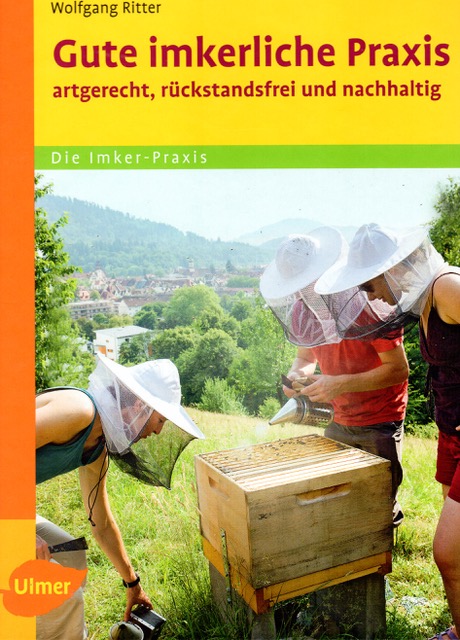
Praktische Ratschläge und Qualitätsmanagement in der Imkerei
Möchten Sie naturgemäß und umweltfreundlich imkern?Dieses Buch wird Ihnen dabei helfen, die eigene Betriebsweise zu beurteilen und Mängel zu erkennen. Es bietet Ihnen praktische Anleitungen der imkerlichen Arbeitsschritte und ermöglicht mit den Checklisten regelmäßige Erfolgskontrollen. So werden Sie bienengerecht imkern und Bienenprodukte von hoher Qualität erzeugen. Dieses Buch eignet sich sowohl für Anfänger als auch Fortgeschrittene. Allen dient es als praktischer Ratgeber für eine artgerechte, rückstandsfreie und nachhaltige Imkerei.
Buchhandel oder direkt bei Ulmer: 29,90 €
https://www.ulmer.de/usd-4889190/gute-imkerliche-praxis-.html
Bienen naturgemäß halten
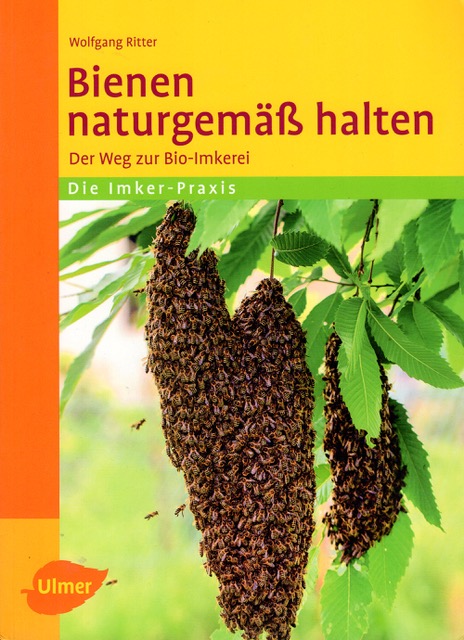 Missgebildete Bienen! Achtung Varroa! Solche Völker haben jetzt kaum Überlebenschancen, können aber andere infizieren.Die Wünsche des Biens und der ImkerInnen in Einklang bringen
Sie möchten so naturgemäß wie möglich imkern? Dieses Buch zeigt Ihnen die natürlichen Abläufe im wild-lebenden Bienenvolk und stellt sie dem Wunsch der Imkerinnen und Imker nach möglichst hoher Honigproduktion gegenüber. Sie können nun selbst prüfen und entscheiden, wie weit sie sich den Wünschen des Biens nähern kommen wollen und können. Weiter finden Sie Anregungen für die Umstellungsphase und Einsicht in die betrieblichen Abläufe einer Bioimkerei. Die Überschichten der Richtlinien der EU und der Öko-Verbände helfen bei der Entscheidung, welcher Verband Ihren Vorstellungen und Ansprüchen am nächsten kommt
Buchhandel oder direkt bei Ulmer: 24,90 €
https://www.ulmer.de/usd-4322614/bienen-naturgemaess-halten-.html